All You Need to Know About Fruit Processing
Adding fruits to our daily diet is essential due to their various health benefits. Fruits like mango, orange, sapota, papaya, tomato, banana, guava, etc., are enriched with vitamin A, vitamin B, vitamin C, etc. The availability of these fruits is seasonal and for a year-round supply processing these fruits is important. This blog will help you understand why fruit processing is essential, different ways of processing, and the benefits of fruit processing.
Overview of Fruit Processing in India
India is a crucial food producer. It has the second-largest fertile land area. India’s Food Processing industry is one of the largest enterprises and ranks fifth in production, consumption, export, and expected growth. Even though India is known as the fruit basket, it contributes only 1% to the global market, of the fruit processing industry.
The wastage of fresh fruits is estimated to be around 30-35% of the total production during harvest, storage, grading, transport, packaging, and distribution due to an unskilled workforce, inadequate cold storage facilities, inefficient post-harvest management, and minimal technological interventions.
Characteristics of Fruits
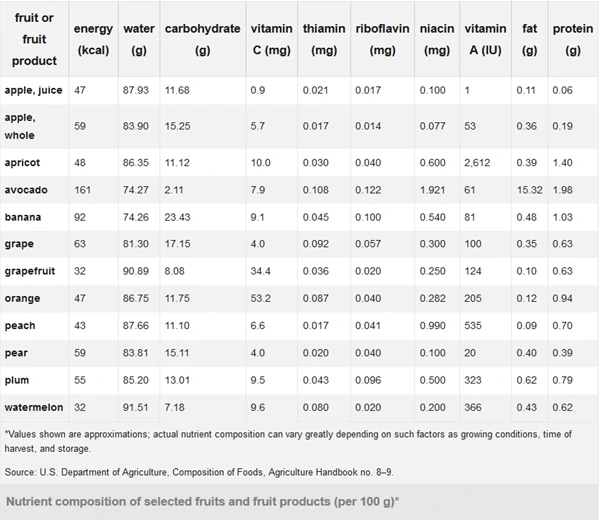
As depicted in the table below, the water content in fresh fruit ranges between 75 and 95%. This water content is instrumental in keeping the fruit fresh. Generally, fruits are acidic, and their pH value ranges from 2.5 to 4.5. Citric acid, malic acid, and tartaric acid are the common acid types found in food.
Vitamins
Vitamin C or ascorbic acid is found in fruits. Vitamin C builds immunity and promotes good health. Thus, it is a crucial vitamin. Citrus fruits like oranges, lemons, and grapefruits, are a rich source of vitamin C content. Berries and melons too have the right quantity of Vitamin C. Carotene, a chemical found in fruits, converts in the body to vitamin A. This nutrient is found in; cantaloupes, peaches, and apricots.
Carbohydrates
Fruits are rich in carbohydrates. The free sugars present in the fruits are fructose, glucose, and sucrose. Fiber is present in a considerable number of fruits, and it aids digestion.
Protein and Fat
According to Fruit and Vegetable Processing Machinery Manufacturers, a minimum quantity of protein is found in fruits and they contain less than 1% fat. Fats are located on the fruit skin. The flesh of fruits like avocados and olives contains as much as 20% oil.
The Table Below Represents Natural or Processed Fruit Characteristics
Ways of Fruit Processing
Fruit Processing Equipment Manufacturers state that fruit processing includes traditional and modern methods.
Traditional Fruit Processing Methods:
- Heat treatment
- Fermentation
- Pickling
- Smoking
- Drying
- Curing
Modern Fruit Processing Methods:
- Pasteurization
- Ultra-heat treatment
- High-pressure processing
- Modified atmosphere packaging
Some of the most common processing methods promoted by Fruit Processing Equipment Manufacturers are:
Fermentation
During fermentation, sugars are broken down with the use of bacteria, yeasts, or other microorganisms. It is practiced under anaerobic conditions, i.e. no oxygen is needed for the process. Fermentation is primarily used for the production of alcoholic beverages such as wine, beer, and cider, and in the preservation of dry sausages, yoghurt, and raising dough in bread production.
Freezing
Harmful bacteria are destroyed by reducing the food product temperature to below 0°C. The process is convenient when it comes to preserving the majority of foods, including fruits, vegetables, meat, fish, and ready-to-eat meals.
Modified Atmosphere Packaging
Fruit Juice Processing Plants substitute the air within the package with a protective gas mix that includes oxygen, carbon dioxide, and nitrogen. These gases are beneficial when it comes to extending the shelf life of fresh fruits, vegetables, meat and meat products, and seafood.
Pasteurization
In this process, food is heated and cooled down quickly to kill the pathogens. Apart from dairy products, pasteurization is used for the safe preservation of canned foods, juices, and alcoholic beverages.
Smoking
Food is exposed to smoke from burning wood. It is a heat and chemical process primarily used to treat meat, sausages, fish, or cheese.
Additives
In Fruit Juice Processing Plants, additives are used to preserve the freshness, safety, taste, appearance, and texture of processed fruits. Food additives are added to ensure food safety or to maintain the shelf-life of processed fruits. For example, antioxidants prevent fats and oils from becoming rancid; preservatives prevent the growth of microbes. Emulsifiers improve the texture of mayonnaise or stop salad dressings from decaying.
Benefits of Fruit Processing
Fruit Processing Machine Manufacturers believe with specialized food processing equipment, cold storage facilities, logistics infrastructure, skilled human resources, and modern technological interventions, these whooping post-harvest losses can be minimized. In turn, high ROI can be ensured to the major stakeholders like farmers and the end consumer. Other than this, fruit processing can also be beneficial for:
- Making fruits edible in different ways
- Improved safety, shelf life, and preservation
- Enhance nutritional quality
- Consume “on the go”
- Decrease the cost of fruits
Flavorful fruits being available all year round is something everybody would wish for. Due to their perishable nature, it becomes difficult to store them in fresh form. These seasonal fruits get processed into pulps, juices, purees, jams, and marmalades for a continuous supply. By processing the excess produce, the wastage of such excess quantity can also be controlled. So, many food processors are now processing fruits as well without losing their natural contents like vitamins, calcium, carbohydrates, etc.