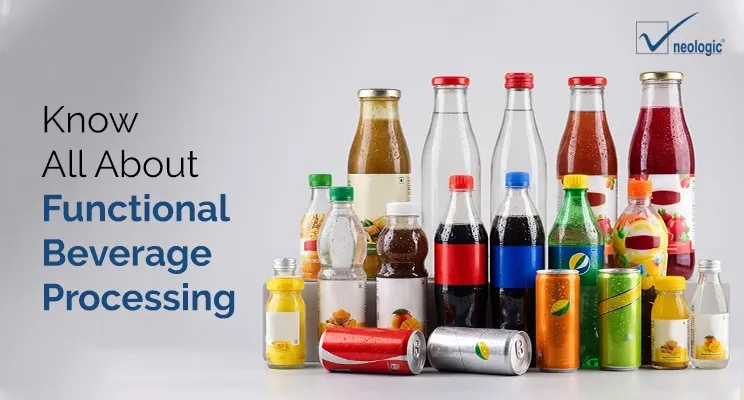
Know All About Functional Beverage Processing
Consumers are increasingly choosing functional beverages in today’s world. With rising health-consciousness, functional beverages are becoming popular alternatives to sugary sodas. This makes the functional beverage market in India and globally one of the fastest-growing segments in the food industry. In this blog, we will understand how functional beverages are formulated and their different types and growth opportunities.
What is a Functional Beverage?
A functional beverage is a non-alcoholic drink formulated with ingredients that deliver health benefits beyond hydration. Unlike traditional soft drinks, functional drinks are enriched with a mix of variety of functional ingredients to support wellness goals such as energy, immunity, digestion, and recovery.
Functional food and beverage are gaining popularity amongst the consumers because of the mix of nutritious ingredients followed with great taste. The market for these beverages is expanding as consumers are more health-conscious and tend to choose products that support their health and lifestyles.
The main categories of functional beverages in the market are:
- Energy and Sports drinks (infused with protein).
- Functional Juices, Waters, Carbonates, Coffees and Teas.
How Does a Functional Drinks Get Processed?
Functional beverages quinch thirst and restore the energy levels very quickly. To achieve this functional soft drink, it undergoes the following processing process:
Here’s how processing of functional beverages take place:
Formulation
The beverage is formulated basis the selected ingredients to achieve the desired flavor, nutritional content, and health benefits. The critical factors that need to be maintained is the taste, texture (mouthfeel), & shelf life.
Preparation and Blending
Water being the main ingredient, all the impurities of it are removed that could possibly affect the drinks safety or flavor. Water along with all the functional ingredients are blended together in temperature-controlled mixing tanks. The blending process is thoroughly monitored to ensure a consistent mixture is prepared. Further, this blend is filtered to remove any remaining solid particles or impurities.
Preservation and Processing
The product to be safe with a long shelf life, it must be heated to inactivate bacteria and enzymes. This can be done using either thermal or non-thermal processing. In thermal processing, the functional drinks are required to be heated to its pasteurization/sterilization temperature with appropriate holding time and then rapidly cooled. In non-thermal processing, high pressure along with carbonation is used to kill the microorganisms. While doing so, it is ensured that the nutritional content and flavor isn’t affected.
Packaging and Quality Control
The final stage is packaging. It is ensured that beverage is filled in sterile bottles, cans, or pouches under sterile conditions. They are then sealed immediately avoiding the risk of contamination (in any form) or losing the fizz for carbonated drinks. These packaged functional beverages then go for labeling and quality checks.
In short, the processing of functional beverages is a blend of formulated ingredients which is mix of vitamins, minerals, raw fruits, herbs, probiotics, amino acids, collagen peptides, or plant extracts and other bioactive compounds. There are various different types of beverages made by mixing/intermixing these ingredients.
Types of Functional Beverages
Functional beverages offer a convenient and refreshing way for consumers to get the benefits they’re looking for. Popular options like energy drinks continue to evolve with relaxing ingredients that support vision and memory. These daily cleanse functional drink aid digestion, boost energy, sharpen focus, and support overall wellness. This makes it the right choice vital for maintaining health.
Here are some different types of functional beverages:
- Functional Energy Drinks
- Sports Drinks
- Protein Shakes & Recovery Drinks
- Gut Health Beverages
- Immunity Boosting Drinks
- Functional Health Drinks
- Functional Drinking Water
- Functional Soda
- Functional Sparkling Water
- Functional Tea
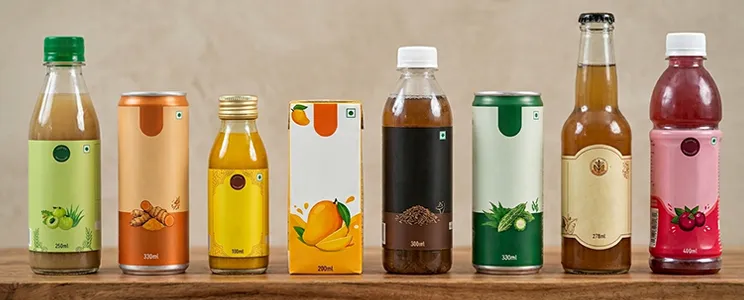
Functional Ingredients for Beverages
Functional ingredients used in functional beverages consist of:
- Vitamins & Minerals (C, B-complex, zinc, magnesium)
- Proteins & Amino Acids (whey, plant proteins, BCAAs, collagen)
- Probiotics & Prebiotics
- Botanicals & Adaptogens (ginseng, ashwagandha)
- Antioxidants (polyphenols, omega-3s)
- Plant Extracts & Superfoods (turmeric, green tea, berries)
- Caffeine and Natural Stimulants
Benefits of Functional Beverages
Functional beverages are often categorized by their key benefits. Some consumers are interested in functional benefits that can help them manage a specific health condition. Functional beverages can stand out on the shelf as a ‘better-for-you’ option.
Functional health drinks offer benefits to consumers like:
- Better digestion & gut health
- Improved energy and mental focus
- Stronger immunity
- Stress relief & relaxation
- Support for healthy blood sugar levels
Growth Opportunities for the Indian Functional Beverage Market
The functional beverage market is expanding and growing like never before. It is evolving into a diversified portfolio that is targeting the health-conscious consumers. The core of functional drinks being a refreshment drink, the consumers these days are wanting more than just refreshment. They see to it as an alternative to sugar-based beverages. They now want these drinks to act as nutrients to aid recovery, or bio-actives to support gut health, beauty, and mental clarity.
With this evolving consumption pattern, the demand for functional beverages in the Indian market size has reached USD 5.9 Billion in 2024-25. In the coming years, this demand is expected to reach USD 16.5 Billion by 2033 with a growth rate (CAGR) of around 11.2% during 2025-2033.
In conclusion, Functional beverage processing combines advanced food science, safe preservation methods, and strict quality controls to create drinks that support modern health needs. From protein shakes and energy drinks to gut health beverages and immunity boosters, functional beverages have become a convenient way for consumers to manage wellness on-the-go.
As the functional beverage market in India and globally continues to grow, manufacturers must focus on innovation, nutrition, and consumer trust to stay ahead in this competitive space.