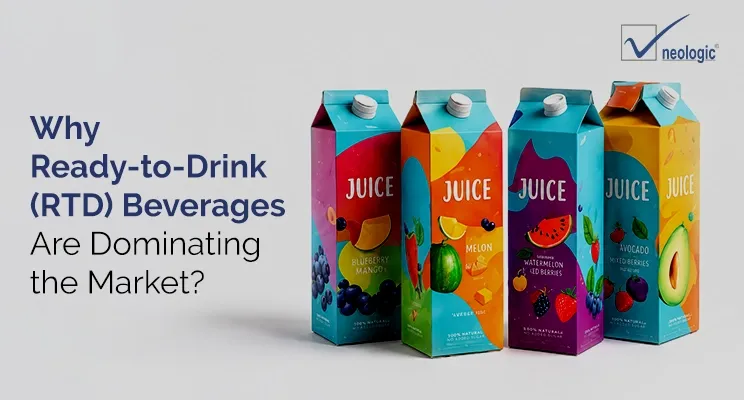
Why Ready-to-Drink (RTD) Beverages Are Dominating the Market?
The RTD market is expanding like never before. With increasing consumer demand for convenience, health, and functional value, this segment is proving to be more than a trend. It is redefining how beverages are conceived, manufactured, marketed, and consumed.
Evolution of Ready-to-Drink Beverages
The global beverage landscape is undergoing a significant transformation, and at the heart of this evolution is the Ready-to-Drink (RTD) category. While RTD alcoholic drinks like cocktails have made their mark, it is the non-alcoholic RTD beverages that are redefining how the individuals hydrate, energize, and indulge.
Non-alcoholic RTD beverages include carbonated drinks, non-carbonated functional beverages, fruit juices, herbal infusions, fruit-based wines and teas, and so on. The RTD Market is worth $240 billion in 2024, and is expected to hit $479 billion by 2030. In this blog, we explore the how these RTD beverages are shaping the future of beverage consumption.
Trends Behind the Rise of Ready to Drink Beverages
The RTD beverage segment is becoming the mainstay of the global beverage industry. Here are a few trends that are redefining the ready to drink beverage segment:
1. Functional Ready-to-Drink Beverages
Consumers are increasingly looking for beverages that support their health. They are readily investing their money where health lies. Functional beverages include ingredients like vitamins, probiotics, adaptogens, and antioxidants. From gut health to cognitive function, functional RTD beverages tap into consumer desires for proactive wellness solutions.
2. Fermentation & Cultured Drinks
Gut health is a growing consumer priority, ranking among the top five global health concerns overall. Digestive concerns are driving interest in fermented and cultured RTD beverages like kombucha, kefir, and probiotic-infused drinks. As consumers become more aware of the connection between gut health and overall well-being, demand for probiotic and fermented RTD drinks is expected to grow.
3. The Health-Conscious Revolution
Sugar remains the top ingredient that consumers are actively limiting in their diets. As a result, RTD brands are reformulating their products with alternative sweeteners and reducing overall sugar content. Cane sugar (49%), brown beet sugar (38%), and Stevia (38%) are among the most accepted sweeteners in reformulated beverages.
4. Energy Drinks Are Evolving Beyond Caffeine
The energy drink market remains a key player in the RTD space, but innovation is driving changes in formulation and positioning. Today’s energy drinks incorporate natural caffeine sources, adaptogens, and zero-sugar options to appeal to a broader audience. Globally, energy drinks remain the most mainstream of the core functional beverages.
5. Exotic Flavors and Global Fusions
In today’s time consumers are increasingly preferring beverages that are plant-based, natural, and free from artificial additives. Ingredients like hibiscus, ginger, turmeric, mint, etc., in the beverages are becoming a top choice due to their great health benefits. Consumers these days are also embracing exotic flavors like tropical blends of mango-passionfruit and lychee-lime. They also enjoy seasonal infusions such as apple-cinnamon or rosewater-lemon.
Apart from this, RTD fruit wines and fermented drinks, like kombucha-based fruit beverages (non-alcoholic versions), offer an elegant flavor profile. Also, beverages like jamun, kokum, amla, etc., are also gaining traction.
6. Protein RTD Beverages Continue to Surge
Protein-fortified RTD drinks are no longer just for athletes—they are now a mainstream choice for consumers seeking muscle support, satiety, and overall nutrition. Globally, protein claims are among the most relevant purchase drivers, especially in sports nutrition and dairy-based RTD beverages. Whether in dairy-based shakes or plant-based alternatives, protein RTD drinks are well-positioned for continued success.
7. Technological Advancements in Beverage Processing
Advanced processing technologies have enabled the production of high-quality RTD beverages that retain flavor, texture, and nutrition. Some of the notable innovations include:
- Aseptic Processing for shelf-stable fruit juices.
- Cold Fill Technology for preserving flavor integrity.
- Carbonation Systems for balanced fizzy drinks.
- Inline Blending Systems to maintain consistent taste .
8. Sustainability and Clean Labels
Consumers these days tend to read labels to understand the ingredients added to their favorite beverage. They tend to see ingredients their aware of, can pronounce it properly, check if they can recycle it, and so on. To fulfil their needs, RTD beverage manufacturers have now started committing to sustainable sourcing, minimal plastic usage, and eco-friendly packaging formats. Beverage manufactures now are using glass bottles, aluminum cans, recyclable PET bottles, and aseptic cartons to pack the ready-to-drink beverages.
In conclusion, consumers nowadays have become more health-conscious. This has led to an increased demand for beverages with functional benefits, such as antioxidants, vitamins, and low-calorie content. With a busy lifestyle, the choice for something quick and instant has boosted the growth in ready-to-drink industry. Consumers search for beverages that are tasty yet healthy, easily accessible, and is environment safe. From a quick morning boost to a relaxing evening sip, from hydration during workouts to mindful indulgence, now there’s an RTD beverage for every requirement.