Top Trends for Beverage Processing Industry in 2026
The beverage industry in 2026 is undergoing a rapid transformation. This change is driven by shifting consumer demands, technological advancements, strong emphasis on health, and sustainability. The beverage processing companies have to keep innovating new flavors alongside maintaining quality, compliance, and efficiency.
Consumers are not only wanting products that are mindful and flavorful, they are also seeking for products that align with their ethical and environmental values. In this blog, we’ll delve into top 10 trends that are truly shaping the future of beverage processing industry.
Trends Influencing the Beverage Processing Industry in 2026
Strategies that enhance efficiency, boost supply chain resilience, and create better cross-functional collaboration are the factors that help beverage manufacturers to meet the changing demands. Here’s a look at the top trends influencing beverage processing this year.
1. Sustainable Manufacturing Practices
Environmental sustainability remains a top priority for beverage equipment manufacturers. Companies are focusing on reducing carbon footprints, adopting energy-efficient processes, and incorporating water recycling systems. Additionally, the push for biodegradable and recyclable packaging continues to gain traction, with more brands opting for plant-based bottles and aluminum cans over single-use plastics.
Beverage processing brands are adopting real-time tracking systems. By tracking sustainability metrics, reducing waste, and reusing assets, beverage manufacturers can balance environmental responsibility with profitability.
2. Automation and AI Integration
The rise of automation and artificial intelligence (AI) in beverage processing is revolutionizing production efficiency. Smart factories equipped with AI-driven quality control, predictive maintenance, and robotic automation are enhancing productivity while reducing operational costs. Machine learning algorithms are also being used to analyze consumer trends and optimize product formulations.
AI tools analyze consumer data to predict trends, optimize flavor profiles, and create personalized recommendations. Beverage processing equipment manufacturers provide machines that are enabled with advanced automation that meets all the changing market demands.
3. Plant-Based Innovations
The plant-based innovations continue expanding into the beverage sector as well. With innovation in dairy alternatives like oat milk, almond milk, and even emerging options like potato milk. Plant-based protein shakes and energy drinks are becoming more mainstream, catering to vegan consumers and those with dietary restrictions. These options cater to those consumers who are seeking a more sustainable alternative to traditional dairy products.
4. Specialty RTD Beverages
Ready-to-drink (RTD) beverages are surging in popularity due to their convenience and versatility. From canned cocktails to bottled smoothies, these beverages cater to busy lifestyles and on-the-go consumption. In 2026, RTD products are becoming more premium, with craft-quality options that rival freshly prepared drinks.
Consumers are looking for functional drinks that offer hydration with added benefits, such as electrolyte-enhanced waters, protein-infused clear beverages, and flavored teas with cognitive-boosting ingredients. Sugar-free and artificial flavor-free options are becoming increasingly popular, along with sustainable and innovative packaging.
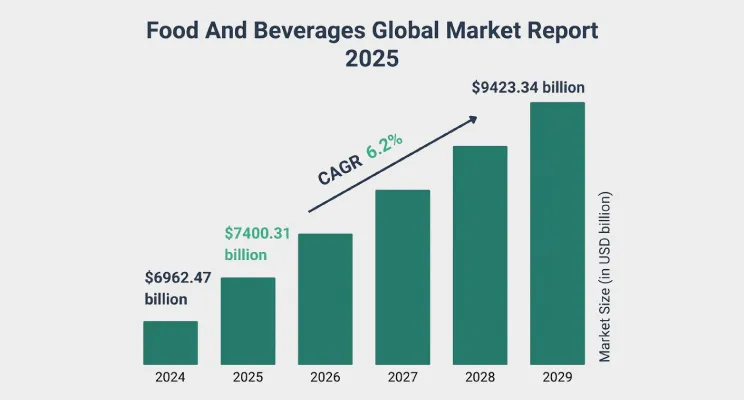
*Source: https://www.thebusinessresearchcompany.com/report/food-and-beverages-global-market-report
5. Global Flavors and Emerging Markets
Beverage companies are increasingly incorporating global flavors to appeal to adventurous consumers. Ingredients such as yuzu, tamarind, hibiscus, and cardamom are making their way into mainstream drinks. Expanding into emerging markets presents growth opportunities, though it also requires navigating complex regulatory landscapes and consumer preferences.
Key challenges manufacturers face include:
- Ensuring compliance with regional regulations.
- Developing product variants for different markets.
- Managing supply chain complexities while maintaining quality.
6. Health-Conscious and Functional Beverages
Consumer demand for healthier beverages is at an all-time high. Functional drinks infused with vitamins and probiotics are gaining popularity. Plant-based beverages, such as oat milk, almond milk, and kombucha, continue to expand their market presence, driven by the growing interest in wellness and nutrition.
7. Blockchain for Transparency and Traceability
Transparency is a key concern for consumers, prompting beverage companies to adopt blockchain technology for supply chain management. Blockchain enhances traceability, allowing consumers to verify ingredient sourcing, ethical production methods, and product authenticity. This trend is particularly impactful in the organic and fair-trade beverage segments.
8. Alternative Ingredients and Upcycled Products
Innovations in ingredient sourcing are leading to the rise of alternative and upcycled ingredients. Brands are exploring novel raw materials such as mushrooms, algae, and hemp-derived extracts to create sustainable and nutritious beverages. Additionally, byproducts from food processing, such as spent grains and fruit peels, are being repurposed into new drink formulations, reducing food waste.
9. Direct-to-Consumer (DTC) and E-Commerce Expansion
E-commerce and direct-to-consumer (DTC) models are reshaping beverage sales. Subscription-based services, personalized beverage kits, and on-demand delivery platforms are gaining popularity. Beverage brands are leveraging digital channels to engage consumers, offer exclusive online products, and gather valuable consumer insights.
10. Hyper-Personalization in Beverages
Consumers are craving beverages that are tailored to their specific requirements. Modular product design allows for efficient personalization while maintaining production efficiency. Hyper-personalization enables brands to offer customized drinks with varying flavors, ingredients, and packaging based on individual preferences. Customized beverages are the talk of the town as brands are offering nutritional drinks which are based on lifestyle choices, individual dietary needs, and so on.
Some vending machines and mobile apps are enabled for consumers to mix and match flavors, adjust sugar levels, and create their unique beverage blends on demand. This strategy allows manufacturers to meet personalization demands while maintaining operational efficiency and profitability.
Evolution of the Non-Alcoholic Beverage Market
The non-alcoholic beverage market is experiencing rapid growth, driven by health-conscious consumers and the rising "sober curious" movement. Non-alcoholic spirits, wines, and beers are becoming more refined, offering complex flavors that closely resemble their alcoholic counterparts. These beverages appeal not only to abstainers but also to those looking to moderate their alcohol intake without compromising on taste.
The shift towards mindful drinking has fueled demand for alcohol-free and low-alcohol options. Brands are innovating with advanced dealcoholization techniques, adaptogens, nootropics, and botanicals to enhance both flavor and functionality. Alcohol-free distillation and vacuum evaporation are helping recreate the mouthfeel and depth of traditional alcoholic beverages, making social drinking more inclusive.
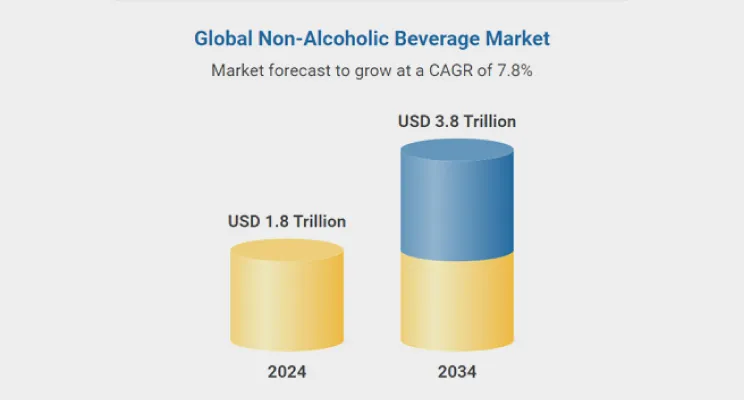
Market projections indicate significant expansion, with the global non-alcoholic beverage industry expected to reach $3.8 trillion by 2034, and the U.S. market alone hitting $225.62 billion by 2030. The COVID-19 pandemic further accelerated this trend, increasing the popularity of functional beverages that support health and wellness.
Key ingredients shaping the industry include superfoods like berries, ginger, and pomegranate for their antioxidant properties, as well as adaptogens such as ashwagandha and reishi for stress relief and energy. Botanicals and nootropics add depth and enhance cognitive function, creating sophisticated non-alcoholic options.
To replicate the complexity of alcohol, producers incorporate tannins from tea and chocolate, spicy notes from chili and ginger, and techniques like maceration to develop rich, layered flavors. With continuous innovation, the industry is set to redefine social drinking, offering premium, health-conscious alternatives that rival traditional alcoholic beverages.
In conclusion, the beverage industry in 2026 is more dynamic than ever, with an emphasis on health, sustainability, and personalization. From specialty RTD drinks and non-alcoholic alternatives to AI-driven development and plant-based innovations, brands must stay agile to meet evolving consumer expectations. As the industry embraces change, the future of beverages looks refreshing and promising. Companies that embrace these trends will not only meet consumer expectations but also gain a competitive edge in the evolving market.